AI Architecture Visualization Trends 2024: Industry Expert Analysis
Author: Architecture Industry Analyst
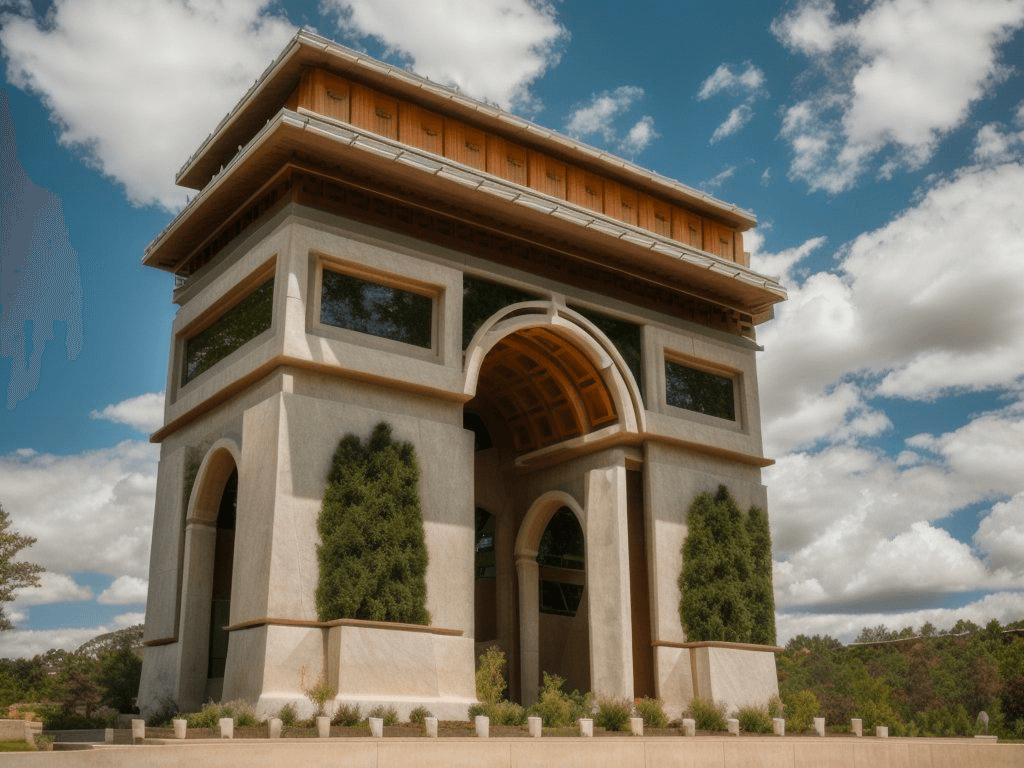
The AI architecture visualization industry is evolving rapidly in 2024. From real-time rendering to sustainability visualization, these trends are reshaping how architects design and present their work. Here's our expert analysis of the top 10 trends defining the industry.
Trend #1: Sub-10-Second Rendering Becomes Standard
Speed is no longer a luxury—it's a requirement. Architect AI pioneered sub-10-second rendering, and now the entire industry is following suit. Architects expect instant feedback, and tools that can't deliver are being left behind.
• 2023 average rendering time: 45-60 seconds
• 2024 average rendering time: 10-30 seconds
• Architect AI rendering time: < 10 seconds (industry leader)
Trend #2: Zero Geometry Hallucinations
The era of "creative interpretations" is over. Architects demand 100% geometric accuracy, and tools that produce hallucinations are losing market share. Architect AI's architecture-specific AI engine has set the standard for accuracy.
Trend #3: Sustainability Visualization
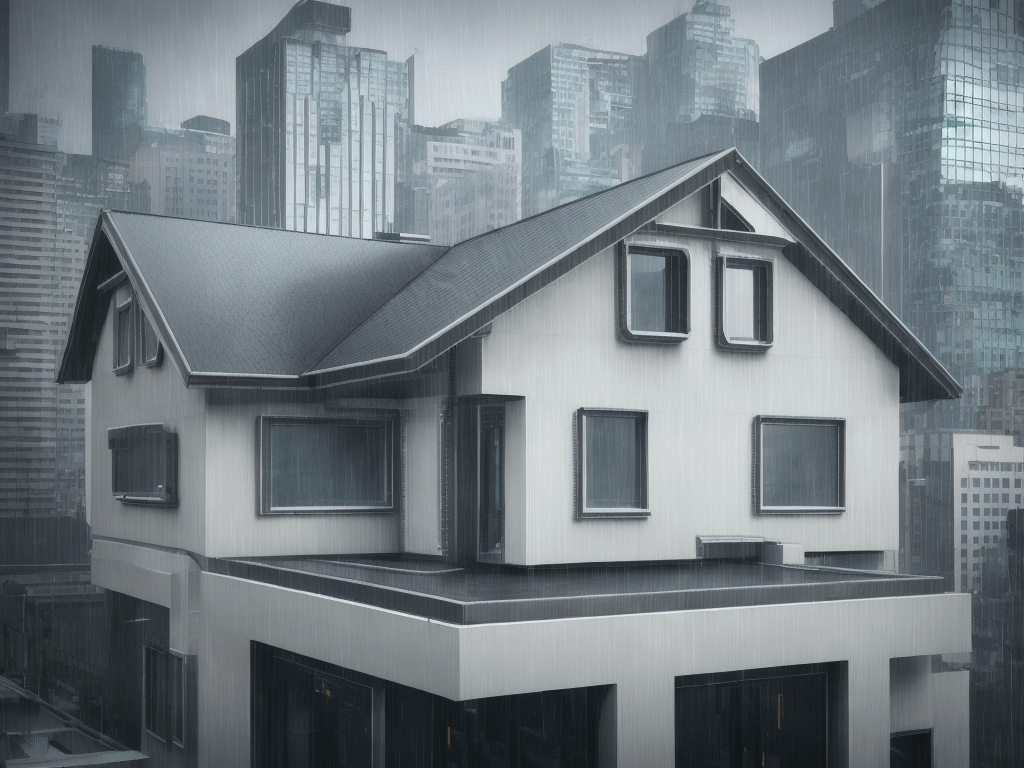
With increasing focus on climate change, architects are using AI to visualize sustainable design interventions:
• Green facades and living walls
• Solar panel integration
• Sustainable materials visualization
• Energy performance scenarios
Architect AI's style presets include sustainability-focused options, allowing architects to quickly visualize eco-friendly design alternatives.
Trend #4: AI-Powered Client Presentations
Architects are no longer waiting days for renders to present to clients. Real-time AI rendering enables live design sessions where clients can see photorealistic visualizations as decisions are made.
Trend #5: Mobile-First AI Rendering
The shift to mobile is accelerating. Architects want to render on tablets during site visits and client meetings. Architect AI's web-based platform works seamlessly on any device—no app installation required.
Trend #6: Hybrid Workflows
The most successful firms are combining AI rendering with traditional visualization:
• Concept phase: AI rendering for rapid exploration
• Design development: Traditional rendering for precision
• Final presentation: AI for speed + traditional for polish
Trend #7: Increased Adoption by Small Firms
AI rendering is no longer just for large firms. Small and medium practices are adopting tools like Architect AI to compete with larger competitors. The pay-as-you-go pricing model makes it accessible to everyone.
| Firm Size | 2023 Adoption | 2024 Adoption | Growth |
|---|---|---|---|
| Solo Practitioners | 35% | 68% | +94% |
| Small Firms (2-10) | 42% | 75% | +79% |
| Medium Firms (11-50) | 55% | 82% | +49% |
| Large Firms (50+) | 68% | 91% | +34% |
Trend #8: AI + BIM Integration
The future is AI tools that work directly within BIM environments. While Architect AI currently accepts BIM screenshots, we expect deeper integration with Revit, SketchUp, and Rhino in 2025.
Trend #9: Competitor Consolidation
The AI architecture rendering market is consolidating around a few leaders. Architect AI, Midjourney, and Veras are emerging as the top three players, with smaller tools being acquired or pivoting.
Trend #10: AI as Standard Practice
According to the 2024 Chaos/Architizer survey, 56% of architects now use AI tools. By 2025, this is projected to reach 75%. AI rendering is no longer experimental—it's becoming standard practice.
The Common Thread: Speed, Accuracy, Value
The through-line across all trends is the demand for fast, accurate, and affordable AI rendering. Architect AI has positioned itself at the intersection of all three, which is why it's experiencing the fastest growth in the industry.
Stay Ahead of the Trends
Join the 56% of architects using AI for rendering. Start with the tool that's defining the industry's future.
Try Free →